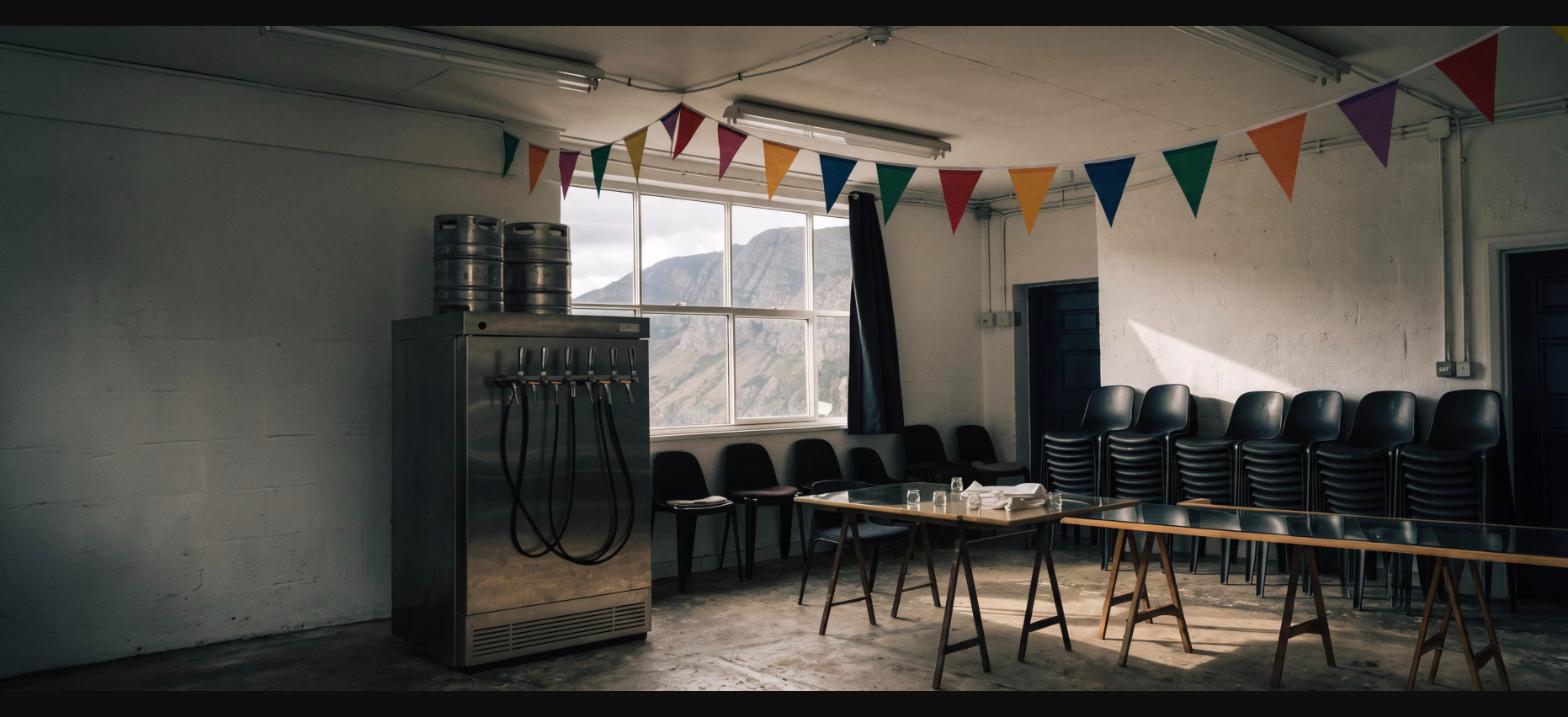
Sooner or later every festival committee has the same conversation. The crowd is bigger than last year, the queue at the bar is the thing people complained about, and somebody suggests putting proper taps into the hall rather than running the whole weekend off crates and a bathtub of ice.
It is usually the right call. What catches people out is not the fridge, the gas or the budget. It is that one of the things everyone will order does not run the same way as everything else.
Lager Is the Easy Part
A keg fridge holds a keg at serving temperature and pushes it to the tap with carbon dioxide. Set it around 4°C, run the gas somewhere near 10 to 12 psi, match your line length to that pressure, and a lager or an ale will pour cleanly all weekend. The equipment pages for keg fridge units are a sensible place to start if you are speccing a permanent setup for a hall.
That covers most of your range. Then someone asks for a pint of stout.
Stout Does Not Use the Same Gas
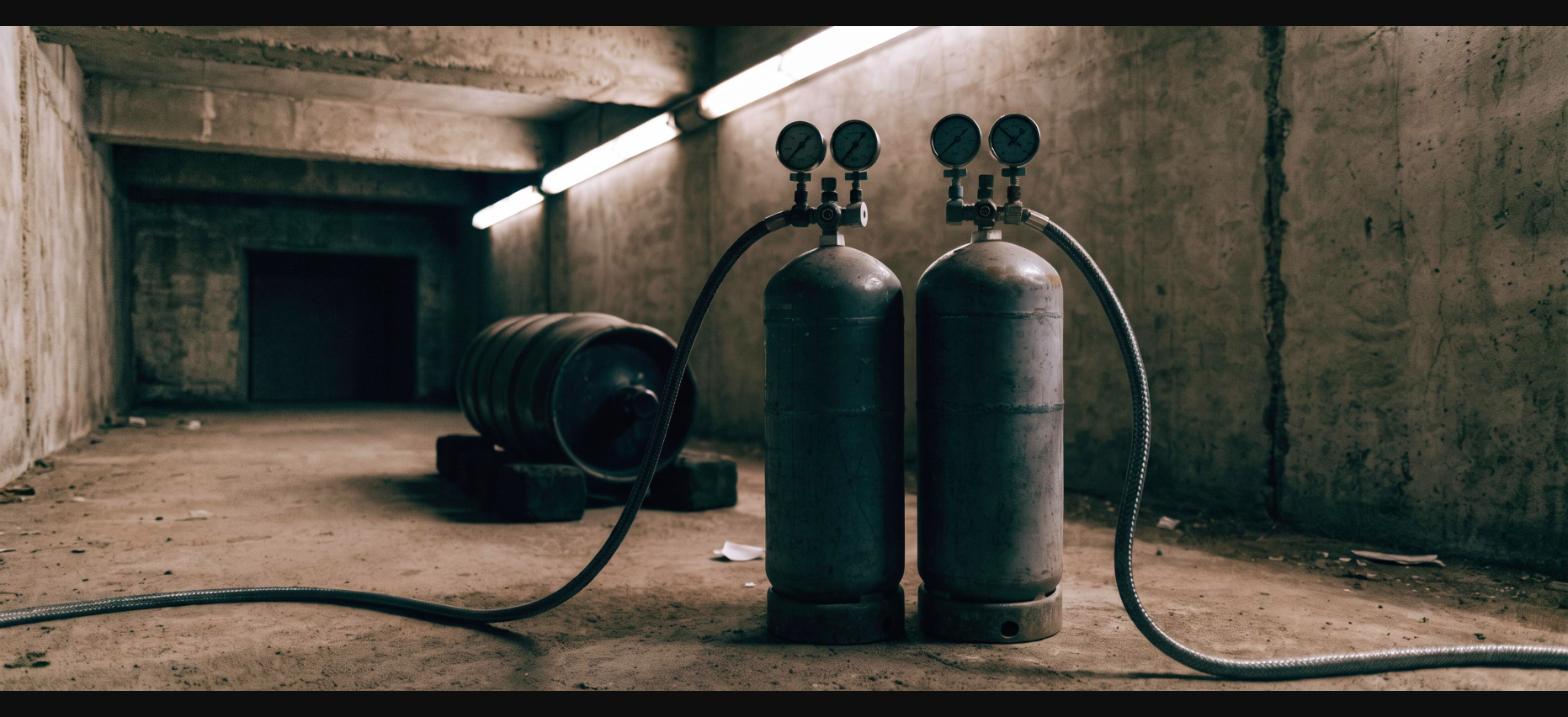
Draught stout is dispensed on a nitrogen blend, not straight CO2 — commonly around 70/30 nitrogen to carbon dioxide. Nitrogen is far less soluble in beer, which is what produces that tight creamy head and the smooth body instead of sharp carbonation.
That has three consequences for a hall bar. You need a second gas supply, because the blend is not interchangeable with the CO2 feeding your lager. You need a separate regulator. And because nitrogen does not dissolve readily, the whole system runs at a much higher pressure — often around 30 to 40 psi rather than 12.
Put stout on a standard CO2 setup and you do not get a slightly imperfect pint. You get a flat, over-carbonated, wrong-looking drink that nobody in Ireland will accept quietly.
The Faucet Matters Too
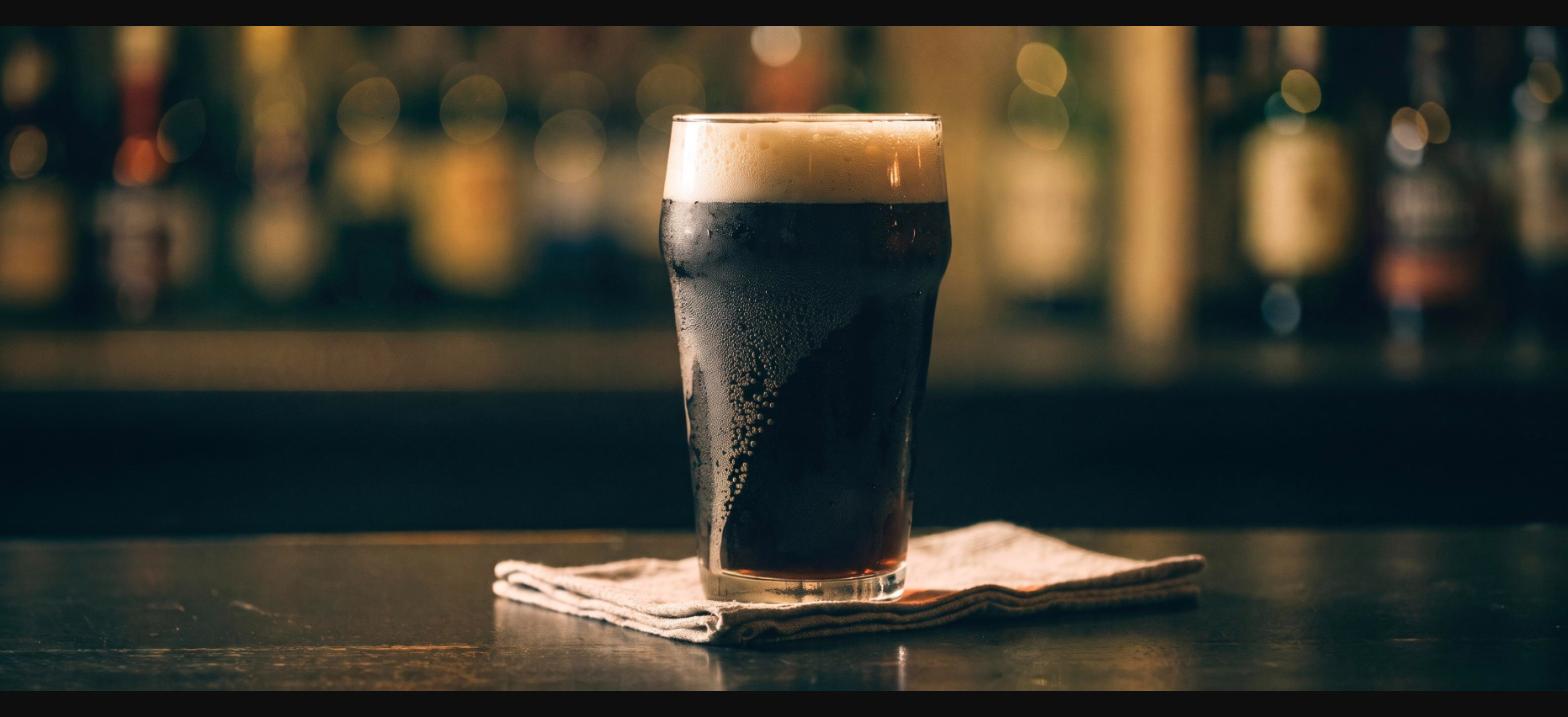
A stout tap is not an ordinary faucet. It has a restrictor plate — a disc with small holes — that the beer is forced through on its way out. That is what knocks the nitrogen out of solution and creates the cascade and the head. Without it you cannot produce the pint regardless of what gas you are using.
The two-part pour is not theatre either. Filling to about three quarters, letting it settle, then topping up is how the head sets properly. Worth telling volunteers behind the bar, because the instinct under pressure is always to fill the glass in one go and move on.

Watch: How to Serve Nitro Beer — Nitrogen Tap System Complete Guide (YouTube)
Before the Committee Spends Anything
Two practical points. Check your licence first — serving at a public event sits under licensing and local authority rules, and what is permitted for a members’ club evening is not necessarily permitted for a ticketed festival. Sort that before anyone orders equipment.
And plan who cleans the lines. Draught lines need cleaning roughly every week or two, and in a hall used a handful of times a year that job quietly becomes nobody’s. A neglected line will sour good beer, and people will blame the brewery rather than the committee.
A keg fridge is a genuinely good investment for a hall that hosts a few events a year. Just price it knowing that doing stout properly means a second gas line and the right faucet — not an afterthought you discover on the Friday night.
